
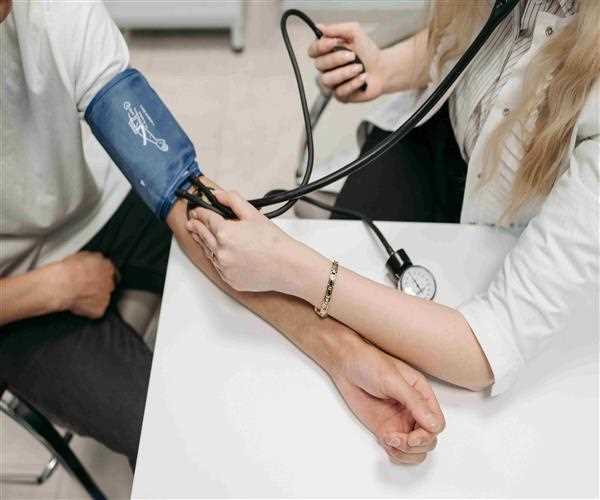
High blood pressure (hypertension) is the leading cause of kidney disease and failure (late-stage kidney disease).
High blood pressure damages the blood vessels and filters of the kidneys, making it difficult to remove waste from the body. When a person is diagnosed with advanced-stage kidney disease, he or she may need dialysis (a process that purifies the blood) or a kidney transplant.
What are the signs and symptoms of kidney failure?
The following are some signs and symptoms of kidney disease:
- Raising / raising blood pressure
- Urinary incontinence or difficulty urinating
- Edema (fluid retention) is common in the lower legs.
- Make frequent urination, especially at night
What is the procedure for diagnosing kidney disease?
You may not know you have kidney disease, you may not know you have high blood pressure. Some lab tests can tell if your kidneys are removing enough waste. These two tests are serum creatinine and blood urea nitrogen (BUN); High levels of these may indicate renal impairment. Proteinuria, or protein high in *****, is another symptom of kidney disease.
Who is at risk for kidney disease due to high blood pressure?
Kidney failure occurs in people of all ages and castes due to high blood pressure. However, some categories are at high risk, including:
- African Americans
- Hispanic-Americans
- A group of Native Americans living there
- Alaska native
- People with diabetes
- People with a family history of high blood pressure and kidney disease
What should I do to prevent kidney disease?
- Maintain a healthy blood pressure level.
- Make it a habit to take your blood pressure regularly.
- Maintain a healthy diet.
- Get 30 minutes of moderate activity per day like walking.
- Take the medicine prescribed by your doctor.
What is the treatment for kidney disease?
Lowering their blood pressure by making lifestyle changes is the most essential treatment for people with high blood pressure and kidney disease. Angiotensin-converting enzyme inhibitors (ACEIs) and angiotensin II receptor blockers (ARBs) lower blood pressure and protect against further damage to the kidneys, especially in diabetics. On the other hand, treatment should be tailored to the individual.
How can I prevent or prevent the progression of high blood pressure-related kidney disease?
Taking action to lower your blood pressure is the biggest way to slow or prevent kidney damage caused by high blood pressure. These actions include a combination of medications as well as changes in one's lifestyle:
- Participate in sports
- Maintaining a healthy body weight
- Quit smoking
- Deal with anxiety
- Eating a healthy diet with low sodium (salt) intake
High blood pressure, whatever the cause of your kidney disease, can make it worse. If you have kidney disease, talk to your doctor about your specific blood pressure goals and how often your blood pressure should be monitored.
What role do diet, nutrition, and diet play in high blood pressure and kidney disease?
Blood pressure can be reduced by following a healthy diet plan. Sodium reduction is an important factor in any healthy diet. Your health care provider may recommend the NIH External Link Diet Approach to Stop Hypertension (DASH) Diet Plan. DASH focuses on heart-healthy fruits, vegetables, whole grains, and other foods low in sodium, which are usually high in salt. DASH (Dietary Measures to Prevent Hypertension)
- Has low *** and cholesterol content
- *** - Free or discounted - *** Milk and dairy products, fish, poultry, and nuts are all available.
- Argue to eat less red meat, sweets, add sugars, and sugary drinks.
- Nutrient-dense, protein-dense and fiber-dense
- A licensed dietitian can help you optimize your diet for kidney disease. If you have circulatory heart failure or edema, a low sodium diet can help reduce edema and lower blood pressure. Reduction of saturated *** and cholesterol may help in the treatment of high blood lipids (fats).
People with severe kidney disease should discuss their eating habits with their doctor.
What foods should I avoid if I have high blood pressure or kidney problems?
If you have kidney disease, stay away from foods and drinks that are high in sodium.
Additional steps you can take to reach your blood pressure goals include a heart-healthy, low-sodium diet, quitting smoking, being active, getting enough sleep, and taking medication as prescribed.
You should limit alcohol consumption to more than two drinks per day for men and more than one drink per day for women, as drinking too much can increase blood pressure.
In addition, a health care professional may recommend that you take a moderate or low protein intake.
Proteins are degraded into waste compounds, which are filtered by the kidneys from the bloodstream. Eating more protein than your body needs puts stress on your kidneys, which can cause kidney function to decline more quickly. Malnutrition, which occurs when the body does not get enough nutrients, can be caused by too little protein intake.
If you have kidney disease and are on a low protein diet, a health care practitioner will use blood tests to assess your nutritional level.


Leave Comment